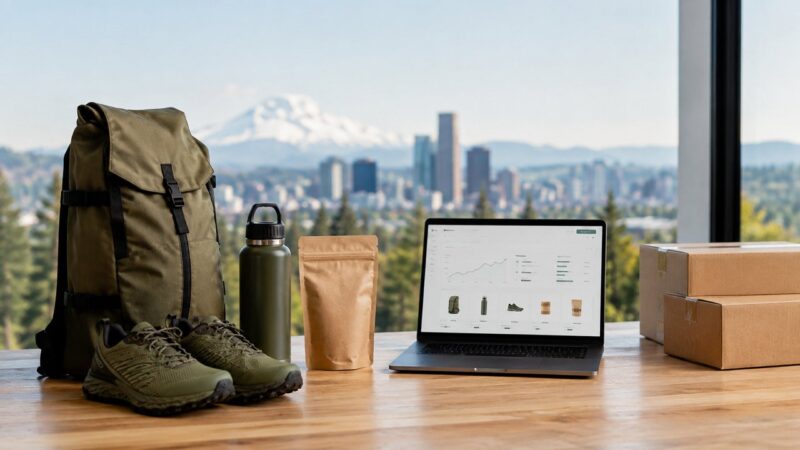
The Pacific Northwest has produced far more than software companies and outdoor giants. Across Oregon and Washington, small teams are creating backpacks, coffee, skincare, specialty foods, cycling equipment, kitchenware and products designed for life outdoors. Many of the brands begin with a specific local need, earn support from regional customers and then grow through direct online sales.
Growth changes the work behind the brand. A founder who once packed every order in a Portland studio eventually needs inventory space, reliable carrier collection and a clear returns process.
Brands that sell through their own websites can use order fulfillment services from Dollan Prep Center to manage direct customer orders without moving the entire company into a large warehouse.
The Landscape Creates Real Problems for Brands to Solve

Products from the Pacific Northwest are shaped by the way people live in the region. Rain, cold water, steep trails, dense cities and long distances between communities create practical problems that inspire new products.
A cyclist in Seattle needs a bag that protects work equipment during a wet commute. A Portland hiker wants a light pack that remains comfortable on a long trail. A coastal food producer needs packaging that protects freshness during shipment. Founders can test such products under the same conditions their customers face.
Local product development therefore starts with use rather than an imagined marketing identity. Customers can quickly identify a jacket that fails in heavy rain or a bicycle bag that shifts during a ride. Direct feedback pushes young brands to correct materials, construction and packaging before attempting national expansion.
Outdoor recreation also creates a large testing community. The Bureau of Economic Analysis reported that outdoor recreation generated billions of dollars in economic value across Oregon and Washington. Hiking, cycling, skiing, climbing, fishing, paddling and camping are part of regular life for many residents rather than occasional vacation activities.
Large Companies Created a Pool of Experienced Workers
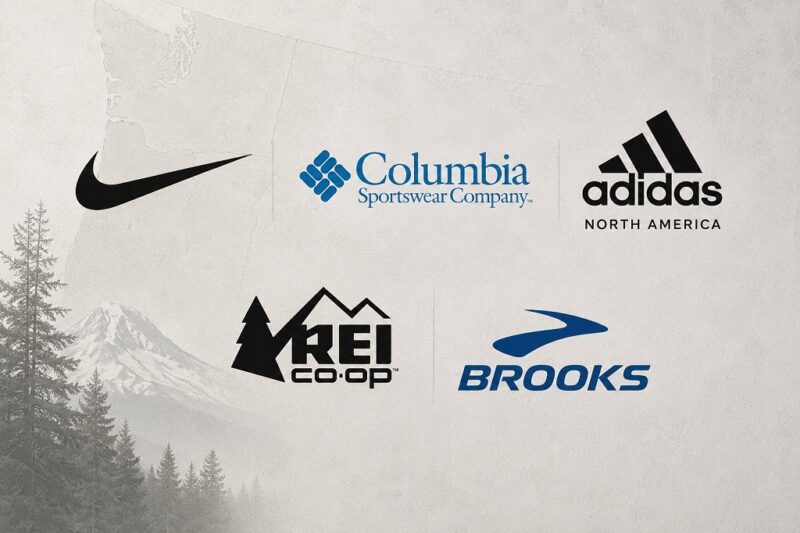
Nike, Columbia Sportswear, Adidas North America, REI, Brooks Running and several other established companies have major operations in the region. Their presence has trained generations of footwear designers, textile developers, photographers, retail buyers, marketers and supply chain specialists.
Independent founders benefit from that concentration of experience. A young company can find a freelance packaging designer who has worked on national retail launches, a product developer familiar with technical fabrics or a photographer who knows how to present outdoor equipment accurately.
Employees also leave established companies to start their own businesses or join smaller teams. They bring knowledge of factory communication, product testing, wholesale pricing and seasonal production schedules. Such knowledge shortens the difficult period between a promising prototype and a product that is ready for sale.
The effect reaches service companies as well. Portland and Seattle have agencies specializing in packaging, branding, e-commerce photography and product launches. Smaller brands can purchase experienced help for one project without hiring a complete internal department.
Independent Brands Have Visible Local Examples to Follow
New founders can study businesses that have already grown from regional workshops into recognized names. Portland-based North St. Bags produces bicycle panniers, backpacks and other carrying equipment. Seattle’s Swift Industries built its reputation around bicycle bags designed for touring and daily riding. KAVU began with the Strapcap and developed into a wider outdoor clothing and accessories business.
View this post on Instagram
Food and household products follow a similar route. Jacobsen Salt Co. turned salt harvested from Oregon’s Netarts Bay into a nationally distributed culinary brand. Seattle-based MiiR developed reusable drinkware and grew through direct sales, wholesale accounts and corporate partnerships. Portland Leather Goods expanded from a small local operation into a major direct-to-consumer seller of bags and accessories.
Each company followed a different path, but the examples show founders that a regional identity does not have to restrict national growth. A product can retain a clear connection to its place of origin and still reach customers throughout the country.
Local Customers Are Willing to Test New Products
Independent brands need early buyers who accept that a young company will have a limited selection and a developing reputation. Portland, Seattle, Eugene, Bend, Tacoma and Bellingham provide large groups of customers interested in locally produced goods.
Weekend markets and temporary retail events allow founders to place products directly in front of shoppers. A customer can handle a bag, taste a sauce or smell a skincare product before buying. The founder can observe which feature attracts attention and which part of the presentation causes confusion.
Local stores provide another testing route. Specialty grocers, outdoor shops, gift stores and neighborhood boutiques regularly reserve shelf space for regional products. A first wholesale order might include only a few cases or a dozen units, giving the company a manageable introduction to retail distribution.
Early local sales also produce useful evidence for larger buyers. A founder approaching a regional grocery chain has a stronger case when several independent stores already reorder the product.
Oregon Has a Deep Specialty Food Economy
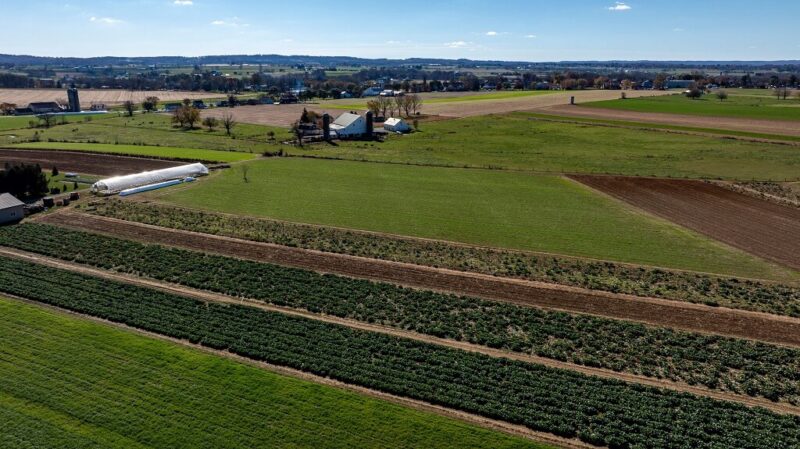
Oregon’s farms, fisheries, orchards and food culture support a large number of product brands. Hazelnuts, berries, pears, wine grapes, seafood and dairy products give founders access to ingredients with an established regional identity.
The state’s food manufacturing industry employed 28,207 people across 981 business locations in 2025, according to the Oregon Employment Department. Food products were manufactured in 33 of Oregon’s 36 counties.
Those numbers include large processors, but the surrounding infrastructure also benefits small brands. Commercial kitchens, packaging suppliers, cold storage facilities, food scientists and regional distributors already understand the needs of packaged food companies.
Portland Community College’s Getting Your Recipe to Market course offers one example of targeted support. Participants work on production, food safety, costing, packaging and distribution rather than treating a promising recipe as a finished business.
Pistakio used that course after its founders moved to Portland in 2023. The company adjusted its original concept and developed creamy and crunchy pistachio spreads. In less than two years, its products reached more than 350 independent stores across the United States.
Manufacturing Exists at Several Different Scales
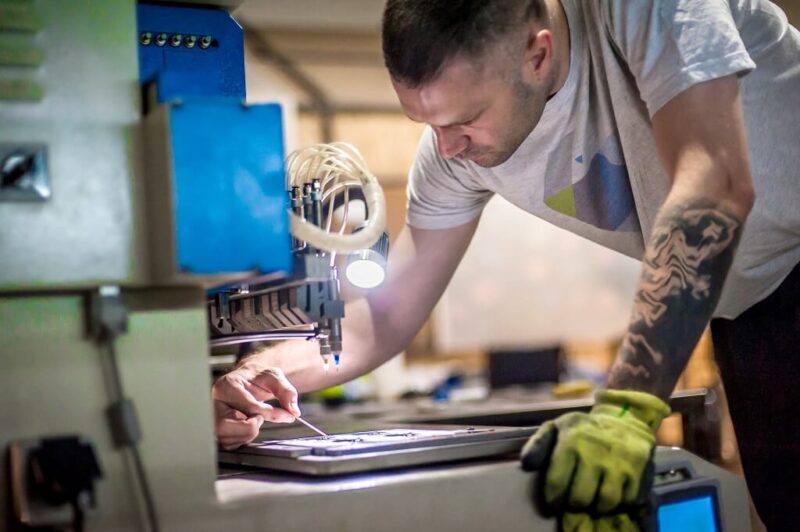
The popular image of an independent brand usually centers on a founder working at a small bench or kitchen table. Successful physical products require a much wider network. Pattern makers, sewing contractors, metal fabricators, printers, testing laboratories and packaging companies all contribute to production.
Oregon retains experience in footwear, apparel, wood products, food processing and metalwork. Washington has major capabilities in aerospace, maritime equipment, food production and advanced manufacturing. Product founders can borrow methods and talent from those industries even when they are making consumer goods on a much smaller scale.
Regional governments are also investing in production capacity. Washington’s Evergreen Manufacturing Growth Grants support facility expansion, workforce training and manufacturing technology. A 2026 funding round directed $1 million to seven businesses and industry organizations, according to the Washington State Department of Commerce.
Local production still carries higher labor and facility costs than overseas manufacturing. Brands justify those expenses through smaller production runs, closer quality control, faster design changes and a clear explanation of where the product was made.
Portland and Seattle Support Different Types of Growth
Portland has developed a reputation for design-led consumer products, specialty food, cycling equipment and small-scale manufacturing. Its creative community gives founders access to illustrators, photographers, industrial designers and retail collaborators.
Seattle has a larger technology and investment economy. Product brands there benefit from experienced e-commerce workers, software developers and marketers familiar with online customer acquisition. The city also has deep links to outdoor retail, coffee and maritime industries.
Bend and Bellingham add smaller but important brand communities. Bend’s connection to hiking, skiing, cycling and craft food attracts outdoor founders. Bellingham offers access to the North Cascades, the Canadian border and a committed cycling and recreation community.
A company does not need to choose between the two large cities. Product development may take place in Portland, manufacturing in a smaller Washington community and national distribution through a partner in another state.
Regional Identity Gives Products a Clear Story
Customers encounter thousands of similar items online. A precise place of origin helps a smaller brand explain why its product exists. A rain jacket tested during a wet Oregon winter has a clearer story than a generic jacket supported only by advertising language.
The regional identity works best when it is supported by the product. Landscape photographs and references to mountains cannot compensate for poor materials or weak construction. Customers expect a Pacific Northwest outdoor brand to demonstrate real knowledge of weather, terrain and responsible product use.
Food companies face the same standard. Naming a local ingredient, producer or harvesting location creates credibility only when the claim is accurate and traceable. Specific information about sourcing is more persuasive than broad claims about natural living.
Sustainability Expectations Influence Product Decisions
Pacific Northwest customers pay close attention to packaging, repair, product lifespan and material sourcing. Brands respond with reusable containers, replacement parts, repair services and detailed material information.
MiiR built part of its identity around reusable drinkware and giving projects. North St. Bags offers repairs for many products made in its Portland shop. Outdoor companies publish increasingly detailed explanations of fabrics, coatings and manufacturing locations.
View this post on Instagram
Sustainability also creates difficult tradeoffs. Compostable packaging might fail to protect food long enough. A locally manufactured component might cost several times more than an imported one. Recycled material can perform differently from virgin material.
Credible brands explain those decisions directly. Customers are more likely to accept a compromise when the company provides specific material, durability and disposal information.
Direct Online Sales Changed the Economics of a Small Brand
Traditional retail required a brand to persuade a distributor and store buyer before reaching the customer. E-commerce allows a founder to launch with a focused selection and sell directly through a website.
Direct sales give the company control over product descriptions, photography, customer communication and pricing. The brand also receives immediate information about return reasons, popular colors and repeat purchases.
The financial advantage is less straightforward than it appears. Online brands pay for advertising, packaging, software, payment processing, shipping and returns. Customer acquisition can consume much of the margin that direct sales appear to create.
Wholesale remains valuable because physical stores introduce products to customers without requiring the brand to pay for every website visit. Many successful Pacific Northwest companies therefore combine direct online sales with independent retailers, regional chains and selected national accounts.
Fulfillment Becomes a Critical Test of the Brand
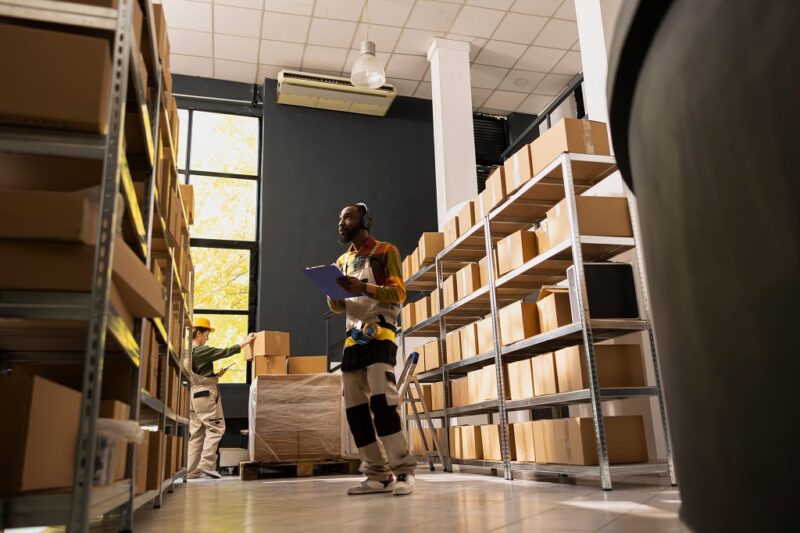
A customer judges an online company through the delivery experience. Late dispatch, damaged packaging or the wrong item can erase the goodwill created by excellent design and advertising.
Founders usually pack the first orders themselves because volume is low and every sale matters personally. The process becomes difficult when daily orders compete with product development, wholesale sales and customer support.
Outsourced fulfillment separates inventory operations from the creative side of the business. The provider receives stock, stores products, connects with the online store, packs orders and hands parcels to carriers. The brand retains control over product design, marketing and customer relationships.
Location affects the decision. A fulfillment center near the founder is convenient for inventory checks. A central or eastern location can shorten delivery times to customers outside the Pacific Northwest. Brands should compare order geography, shipping rates, storage charges, return handling and software connections before selecting a partner.
The Region Also Presents Serious Obstacles
Portland and Seattle are expensive places to hire workers and lease suitable production space. Industrial buildings are limited in popular neighborhoods, and small brands compete with larger companies for designers and operations staff.
Shipping is another disadvantage. A package traveling from Oregon or Washington to the Northeast or Southeast crosses much of the country. Delivery takes longer and costs more than shipment from a centrally located warehouse.
Wildfire smoke, winter storms, port congestion and transport interruptions can delay supplies and outgoing orders. Product companies need backup suppliers, adequate insurance and realistic inventory levels.
Success also exposes a brand to imitation. A popular design can appear on online marketplaces at a lower price within months. Trademarks, design protection and consistent quality become important as the company gains visibility.
What New Brands Can Learn From the Pacific Northwest Model
The region’s best independent brands begin with a precise product rather than a large catalog. One well-tested bag, sauce, bottle or piece of equipment gives customers a clear reason to remember the company.
Founders then use local buyers as a serious test market. Feedback from stores, events and direct customers guides changes to size, packaging, pricing and instructions. Production expands only after repeat purchases demonstrate real demand.
Regional identity supports the product but does not replace performance. Companies that grow nationally connect their origin story to measurable qualities such as durability, ingredient sourcing, weather resistance or repairability.
Operations need equal attention. Inventory accuracy, wholesale terms, shipping speed and returns determine whether an attractive product becomes a dependable business.
A Regional Brand Can Still Build a National Business
The Pacific Northwest gives independent founders access to experienced workers, active customers, manufacturing knowledge and a landscape that inspires practical products. Portland and Seattle receive most of the attention, but the wider network reaches farms, coastal communities and smaller manufacturing cities across both states.
A strong local launch provides proof that the product works. Online sales, wholesale accounts and outside fulfillment then allow the company to grow without abandoning its regional identity.
The brands that last treat their location as more than a visual theme. They use local conditions to develop better products, listen closely to demanding customers and build operations capable of serving buyers far outside the Northwest.