

A small travel stay can either feel like a place you tolerate or a place that quietly supports your day. The difference is rarely about square footage. It is about how quickly the space starts working for your routines, your mood, and your need to feel settled.
Whether you are in a compact hotel room, serviced apartment, hostel private room, or short business rental, a few thoughtful choices can make the stay feel warmer, calmer, and far less temporary.
Small Rooms Feel Better When They Have A System
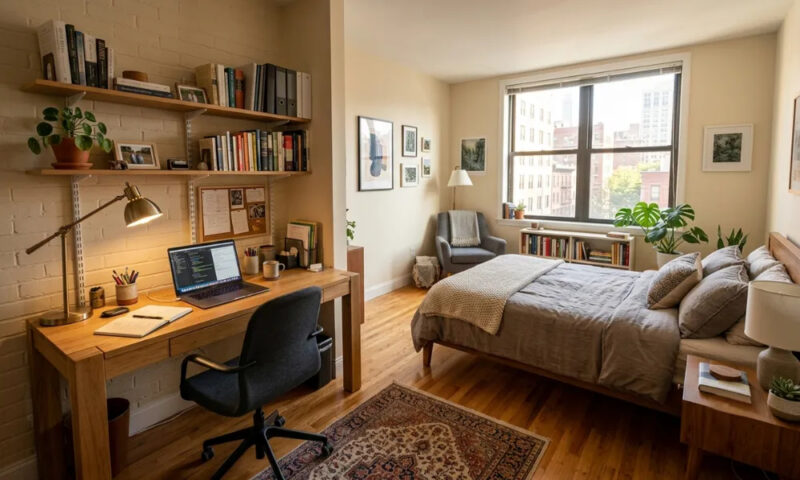
The first thing to do is stop treating the room like a suitcase exploded indoors. Small travel stays become stressful when every surface turns into storage.
Give the space a simple system within the first ten minutes: one area for clothes, one for work items, one for toiletries, and one clear surface that stays empty. It sounds almost too basic, but this is what makes the room feel intentional instead of cramped.
A 2022 study on temporary accommodation, published in the Journal of Housing and the Built Environment, found that light, cleanliness, storage, and the ability to display personal possessions can help small temporary dwellings feel more like home. So yes, that little unpacking ritual matters more than it looks.
Personal Touches Should Travel Light
You do not need to redecorate a room to make it feel like yours. The trick is to bring small items that change the mood without taking over your luggage.
A soft pouch for cables, a familiar sleep shirt, a slim notebook, or a compact framed photo can shift the room from anonymous to familiar.
For longer stays, creative professionals and remote workers sometimes add one visual signature to a rented studio or content corner.
Custom LED neon signs can work well because they create a personal focal point without repainting, drilling, or making permanent changes.
The idea is not to fill the room with stuff. It is to choose one or two details that make the space feel chosen.
Comfort Starts With Sleep, Light, And Setup
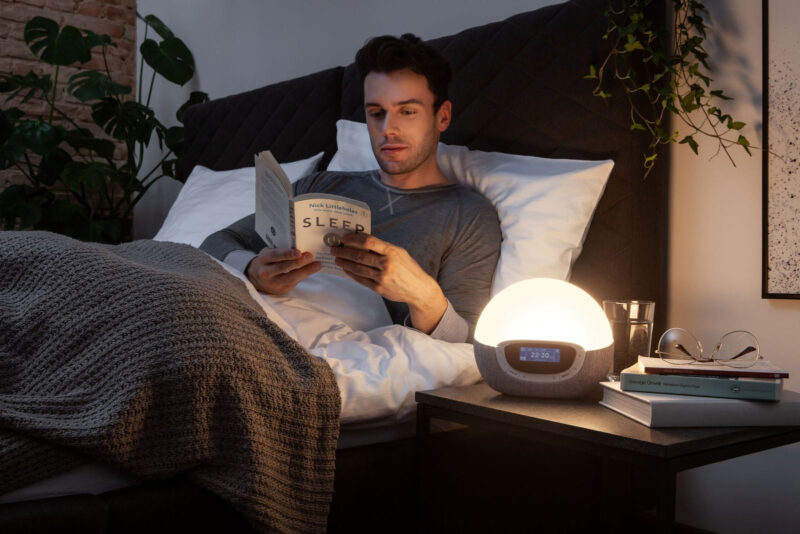
Most people focus on how a room looks, but comfort is usually decided by how it behaves. Can you sleep well? Can you charge your devices without crawling under a desk? Can you find your things when you are rushing out early? Those details shape the whole trip.
Think of your stay as a tiny operating system. You are not trying to create a perfect home. You are trying to reduce friction.
The best small-stay upgrades are usually invisible after the first day because they simply make everything easier.
A calmer night, a cleaner morning routine, and a more reliable charging setup can do more for your mood than another decorative object.
Make The First Night Less Unfamiliar
The first night away often feels odd, even in a beautiful room. A 2016 Brown University study, “Night Watch in One Brain Hemisphere during Sleep Associated with the First-Night Effect in Humans,” published in Current Biology, found that the brain can remain more alert during sleep in a new environment. That explains why comfort should start before bedtime.
Bring one familiar sleep cue: a small pillowcase, a travel mist, your usual eye mask, or the same podcast you use at home.
Keep the room slightly cooler, close the curtains early, and put your phone across the room. Familiar signals tell your body, “we are safe enough to rest now.”
Give Your Tech A Calm Landing Zone
For a tech or business traveler, the charging mess can ruin the mood fast. Pick one socket and make it your command point.
Keep your power bank, adapter, earbuds, laptop charger, and watch charger there from day one. Then your devices stop scattering across the room like tiny expensive breadcrumbs.
A simple travel tech kit helps:
- one universal adapter
- one short cable for the bed
- one longer cable for the desk
- one pouch for accessories
It is not glamorous, but it is peaceful. When everything has a place, the room feels less like temporary storage and more like a small, functional base.
Turn One Corner Into Your Work And Reset Zone
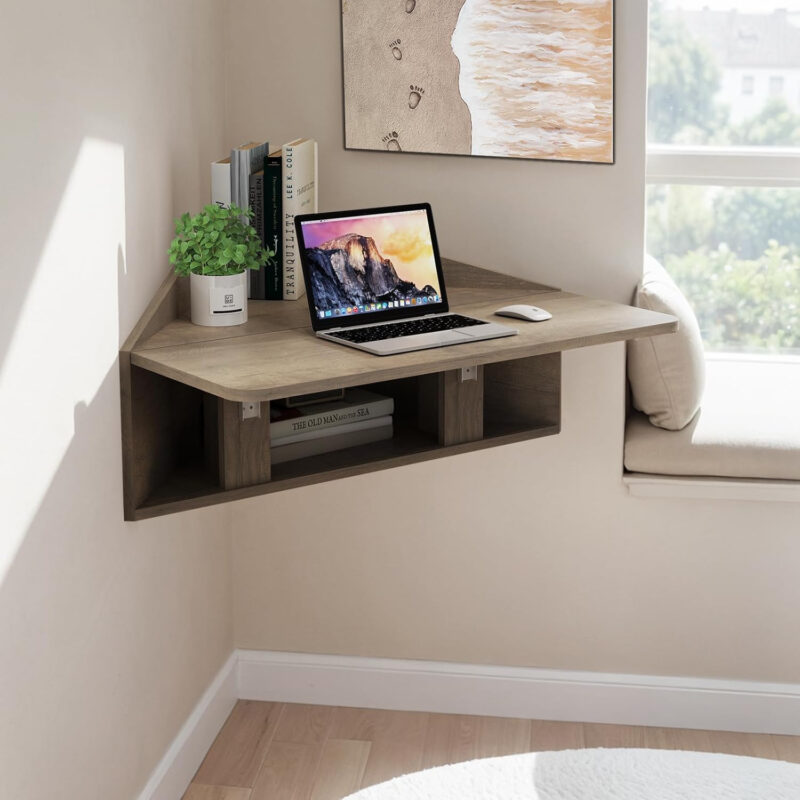
If your travel stay is also a work base, do not let the bed become your office, dining table, and emotional support platform.
Choose one corner for focused tasks and make it pleasant enough to use. Move a chair toward natural light, place your bottle nearby, and keep only the tools you need in front of you.
| Small zone | What to place there | Why it helps |
| Desk corner | Laptop, charger, notebook | Keeps work contained |
| Bedside | Book, water, sleep mask | Supports winding down |
| Entry spot | Keys, wallet, room card | Prevents morning panic |
The goal is separation, not perfection. Even in one room, tiny zones help your brain know what happens where.
Keep The Stay Personal Without Overpacking
The danger with “making it personal” is carrying half your home in a suitcase. That usually makes a small room feel smaller.
Pack items that serve more than one purpose: a scarf that works as a light blanket, a tote that becomes grocery storage, or a tablet that covers reading, streaming, and work review.
Comfort note: personal does not mean crowded. A space feels personal when it reflects your habits, not when every surface is filled.
Use scent carefully, keep laundry contained, and reset the room for five minutes each night.
That tiny reset protects the feeling you created. It also makes the next morning easier, which is when small travel rooms usually reveal whether they are working or not.
Make Leaving Easier From The Start
The most comfortable travel stay is one you can leave without chaos. That sounds strange, but a peaceful checkout begins on the first day.
Keep dirty laundry in one bag, receipts in one pocket, chargers in the same pouch, and documents in a flat folder. Your future self will be grateful.
This matters even more for business trips, where the last morning can involve calls, invoices, airport transfers, and a half-packed suitcase staring at you from the floor.
A small stay feels better when it never becomes a puzzle. Before bed each night, spend a few minutes returning things to their zones.
It keeps the room calm and makes departure feel controlled.
At the end
A small travel stay does not need luxury to feel good. It needs rhythm, a little warmth, and a setup that respects how you actually live. When you unpack with intention, protect your sleep, manage your tech, and add just enough personality, even a compact room can feel surprisingly comfortable.
The best part is that none of this requires permanent changes or heavy luggage. It is simply about turning a temporary space into a place that feels usable, calm, and quietly yours.