
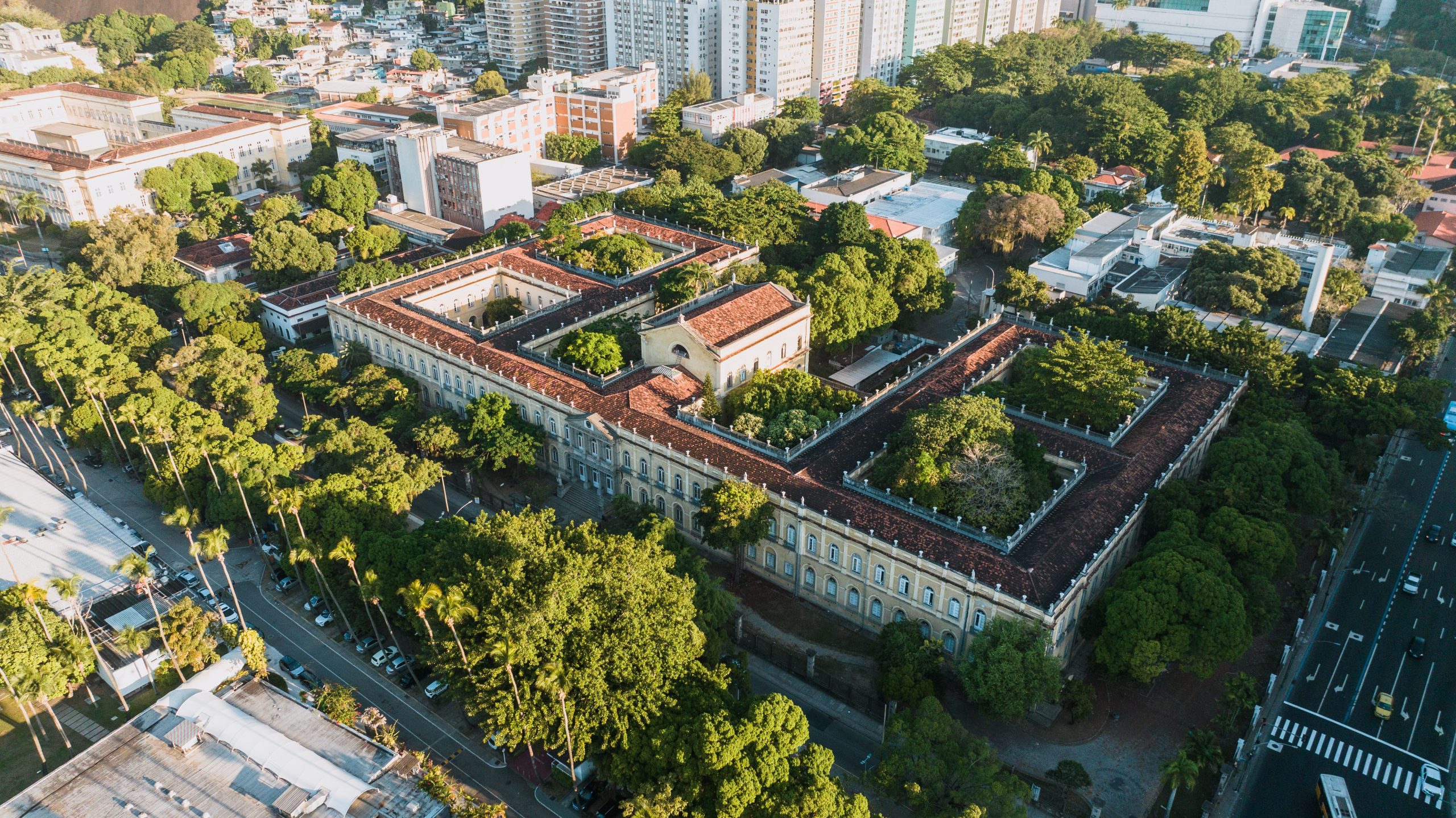
University campuses used to treat outdoor space as the pause between buildings: a lawn for ceremonies, a walkway for getting to class, and a few ornamental beds near the main entrance. That model is changing. A campus landscape is increasingly expected to cool people, slow stormwater, support biodiversity, make walking practical, and provide a place where teaching and research can happen outside.
The shift is not just aesthetic. It changes what universities measure and what they protect. A mature tree is no longer merely a beautiful object; it can be shade infrastructure, habitat, stormwater management, and part of a heat-resilience plan. A rain garden is not simply a decorative planting bed if it is also filtering runoff from a roof. And a plaza is doing more work when it can host students at lunchtime, absorb heavy rain, and serve as an outdoor laboratory.
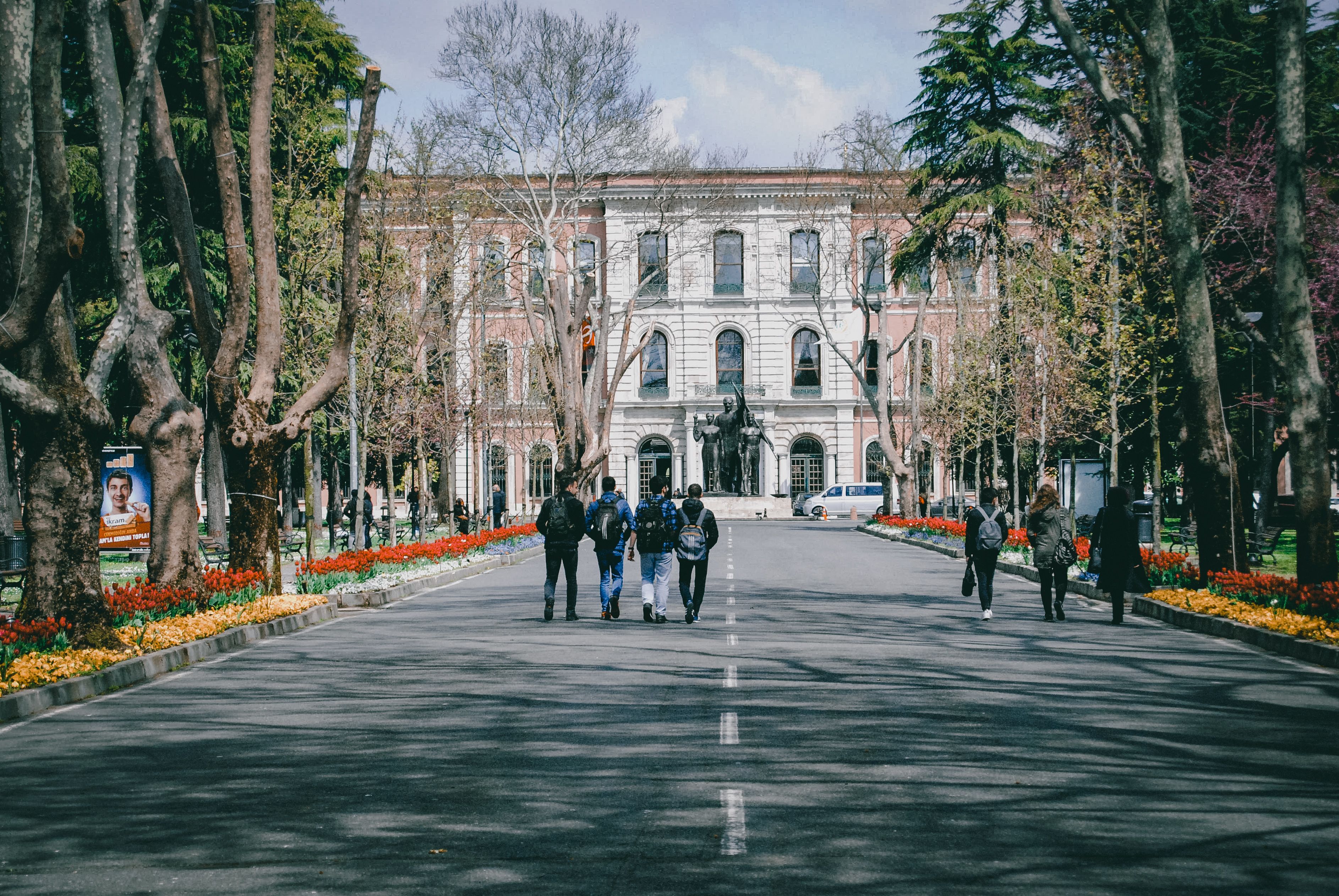
Table of contents
- From campus scenery to working landscape
- Water is becoming visible infrastructure
- Shade, walking, and thermal comfort
- Biodiversity is moving into the everyday campus
- Materials and maintenance matter as much as planting
- What documented projects are actually doing
- The difficult part: keeping the landscape alive
- Questions campuses should ask
From campus scenery to working landscape
The most useful way to understand sustainable outdoor design is to stop separating beauty from performance. The same landscape can be welcoming, ecologically useful, and operationally efficient, but only if those objectives are designed together.
That means beginning with a site’s actual conditions: soils, slopes, existing canopy, drainage patterns, heat exposure, accessibility, and the routes people already take. It also means resisting the temptation to apply one visual style everywhere. A wet campus edge, a drought-prone plaza, and a shaded woodland path need different planting and maintenance strategies.
The Sustainable Sites Initiative, commonly known as SITES, reflects this performance-based approach. Its framework evaluates sustainable landscapes through outcomes such as water management, habitat, soil health, materials, human health, and long-term stewardship rather than prescribing a single look.
Water is becoming visible infrastructure
Traditional campus drainage tries to move rainwater away as quickly as possible. Sustainable design asks a more useful question: where can water be slowed, cleaned, stored, and reused before it reaches a storm drain?
That can involve bioswales, rain gardens, infiltration galleries, restored wetlands, cisterns, permeable paving, and carefully shaped ground. The best systems are visible without becoming hazards. Students can see where a roof drain leads, how a planted basin fills after rain, and why a normally dry channel belongs in the landscape.
At Arizona State University’s Orange Mall, a former roadway and cul-de-sac became a pedestrian mall and multi-use plaza. Connected runnels move building condensate and stormwater toward planted bioswales and a rain garden, while excess water flows to an infiltration gallery. The SITES project profile for ASU’s Orange Mall also notes that students are involved in monitoring water quality, flow rates, space use, and social interaction. That is a significant design change: the infrastructure is not hidden from the curriculum.
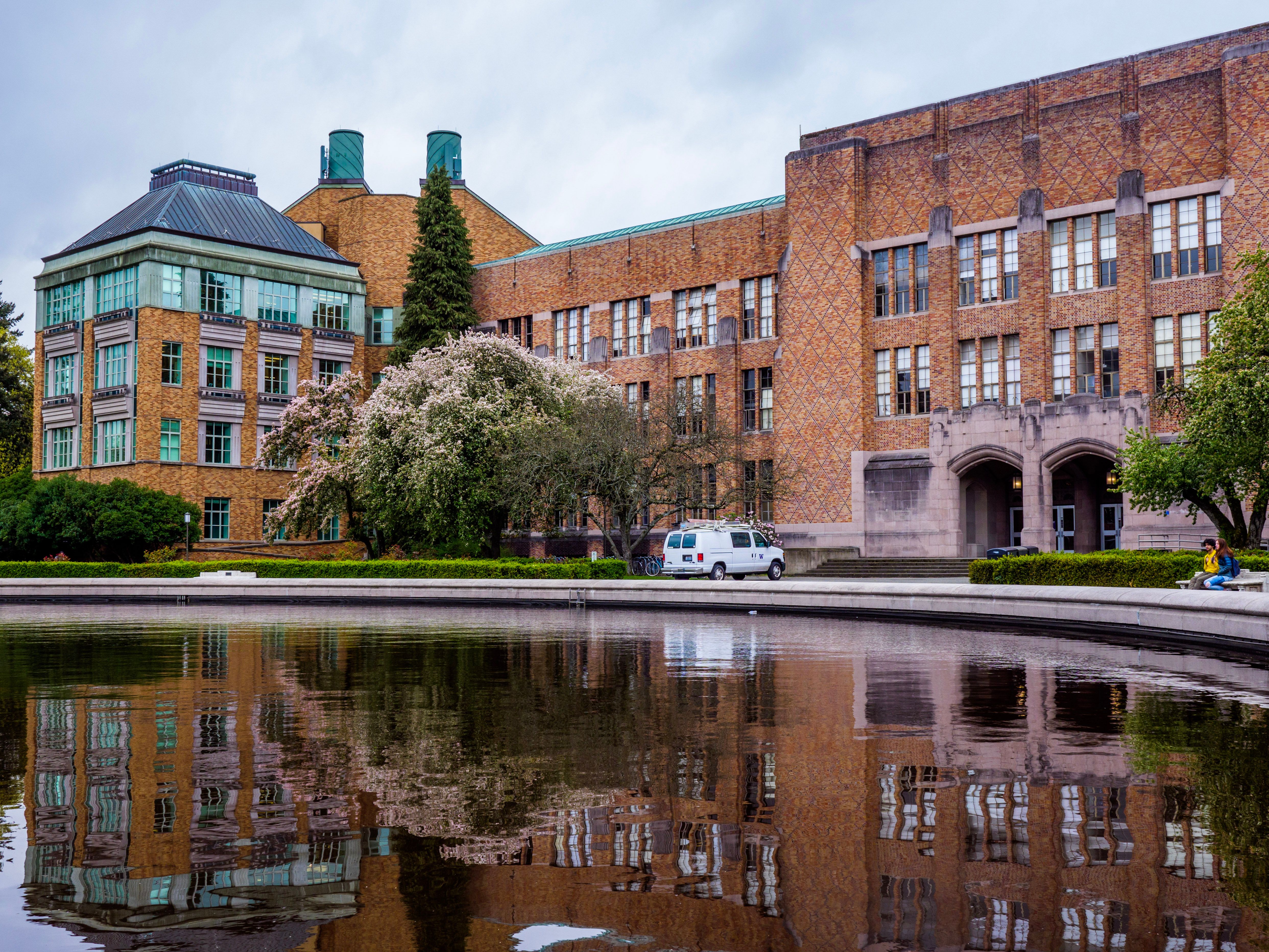
Water-sensitive design does have limits. Soil type, slope, groundwater, contamination, drought, and existing utility networks can make infiltration inappropriate or expensive. A rain garden that is badly located or poorly maintained is not sustainable simply because it contains native plants. The design has to follow the watershed, not the fashionable vocabulary.
Shade, walking, and thermal comfort
Campus sustainability is also a question of whether people can comfortably move through the site. Students who cross a treeless expanse of dark paving in hot weather experience the campus differently from students using a shaded, connected route with places to rest.
Research and campus fieldwork increasingly support what pedestrians already know: canopy placement matters, not just canopy quantity. In a 2024 project at the University of North Carolina at Chapel Hill, students mapped temperatures along walking routes, combined tree-cover data with other geospatial information, and built a heat model to identify vulnerable areas. Their findings emphasized that larger, mature trees can be protective against heat, while also acknowledging that the research did not yet answer who experiences the greatest exposure.
That qualification matters. A tree-planting target can look impressive while leaving the hottest route to a residence hall or transit stop exposed. The more useful questions are:
- Which routes are used most during the hottest parts of the day?
- Where do wheelchair users, cyclists, service vehicles, and pedestrians compete for space?
- Which outdoor seats remain usable in summer and shoulder seasons?
- What happens when a mature tree reaches the end of its life?
I would prioritize continuous shade and comfortable routes over isolated “green” features. A small number of strategically placed trees along a daily path can be more valuable than a larger planting area that nobody needs to cross.
Biodiversity is moving into the everyday campus
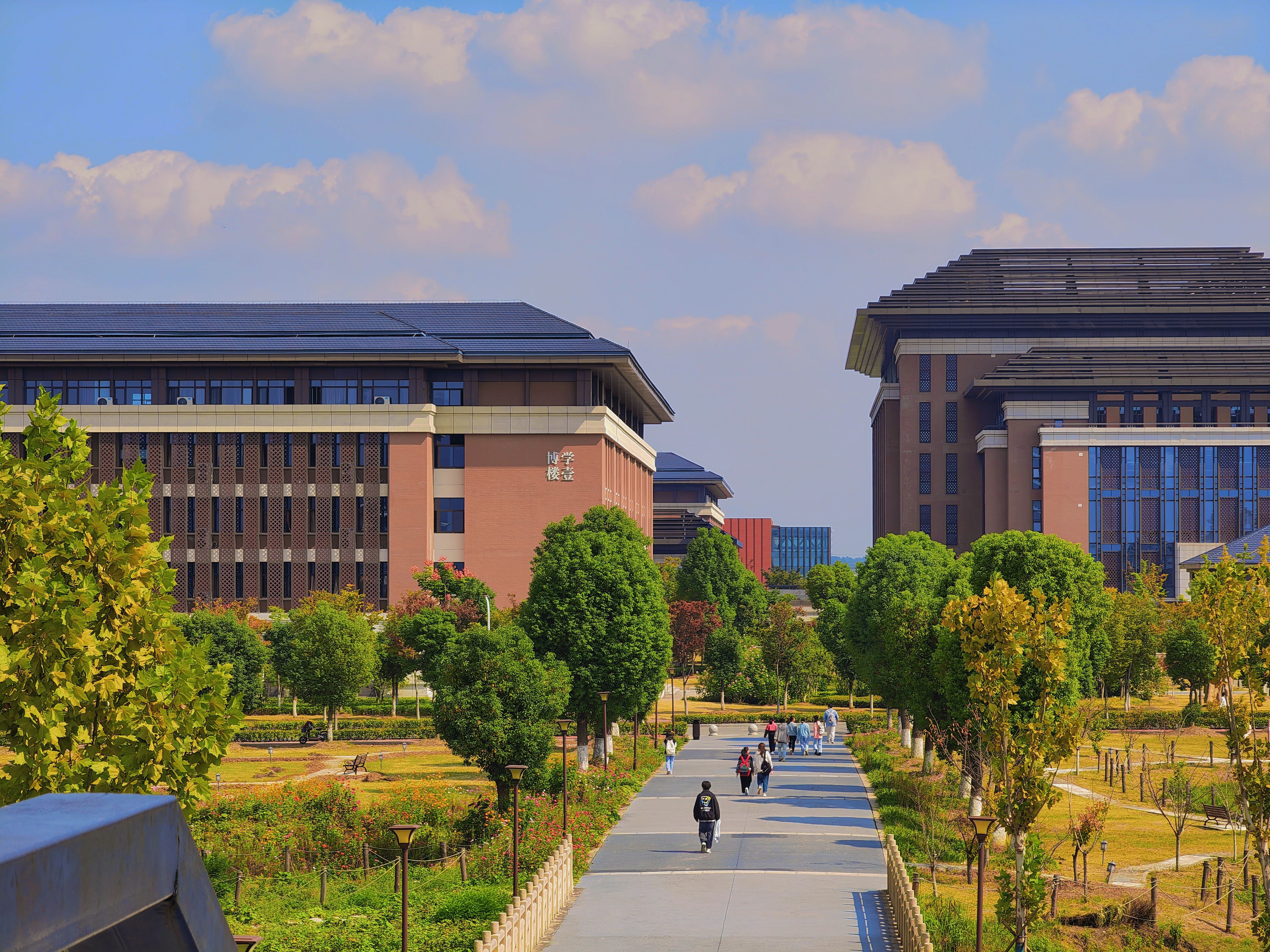
Many universities are replacing the idea of a uniformly manicured campus with a more varied landscape: meadow edges, native planting beds, pollinator corridors, woodland remnants, wetland margins, and lawns reserved for high-use activities. The goal is not to make every corner wild. It is to match the intensity of maintenance to the way each space is used.
The University of Michigan’s resilient-grounds goals, for example, include reducing synthetic chemical use, improving biodiversity and ecosystem health, expanding naturalized landscapes, and developing site-specific approaches to stormwater. Its 2025 highlights describe the conversion of 15,000 square feet of turf to a pollinator garden outside the Life Sciences Institute building.
That kind of change can produce resistance. Students may read a meadow as neglect if the edges are not clearly designed and explained. Grounds teams may face new demands for seasonal cutting, invasive-species control, and monitoring. The answer is not to return automatically to short turf. It is to make the intended management legible through paths, mown edges, signs, planting structure, and a maintenance plan that is funded rather than assumed.
Outdoor biodiversity also creates academic value. A campus pond can support hydrology research. A native planting bed can become a field site for ecology or landscape architecture. A tree inventory can support data science, forestry, and climate studies. When the landscape is designed as a living system, the university gets a place to teach with rather than only teach in.
Materials and maintenance matter as much as planting
Plants attract attention, but hardscape and construction decisions determine much of a project’s long-term footprint. Universities are reconsidering paving quantities, soil disturbance, transport distances, lighting, irrigation, furniture, and the repairability of outdoor elements.
For terraces, seating areas, and pedestrian edges, material selection should be based on the whole service life: how often it needs sealing or replacement, how it handles heat and rain, whether damaged sections can be repaired, and whether the surface remains accessible. In some applications, designers may compare options such as composite decking alongside timber, stone, concrete, or other materials. The sensible choice depends on the site, specification, maintenance regime, and verified environmental information, not on the label “eco-friendly” alone.
Soil is just as important. Construction compaction can leave a newly planted campus with trees that struggle for decades. Protecting existing woodland, salvaging suitable soil and stone, restoring organic matter, and giving roots enough volume can avoid replacing natural functions with expensive mechanical systems.
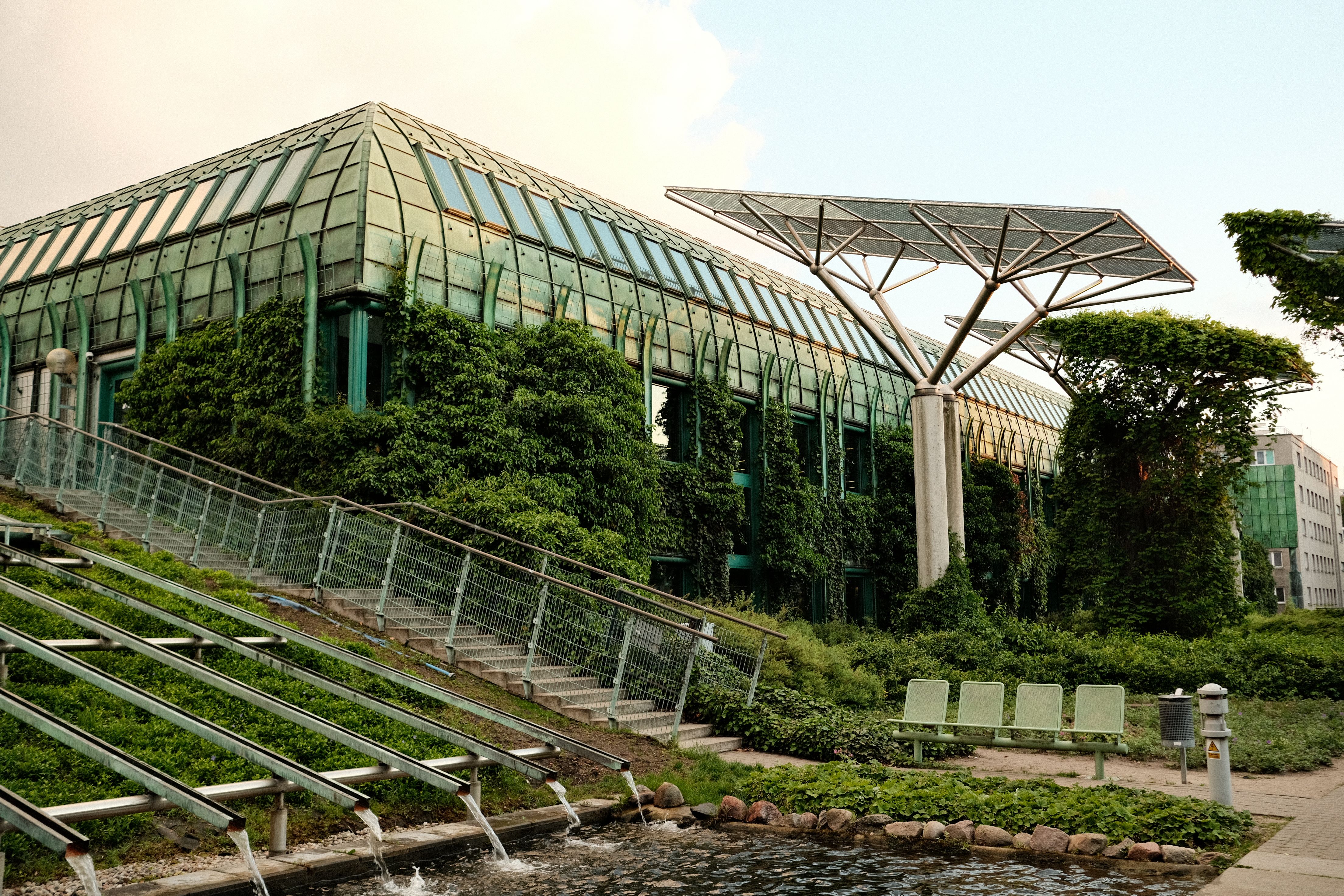
What documented projects are actually doing
The examples below show why there is no single sustainable-campus formula. The interventions respond to different climates, former land uses, and campus needs.
| Project | Site challenge or context | Documented response |
|---|---|---|
| Arizona State University Orange Mall | 1.9-acre urban desert campus site; former roadway and cul-de-sac | SITES Gold pedestrian mall with bioswales, rain garden, condensate and stormwater runnels, and an infiltration gallery |
| University of Connecticut Science 1 | 12-acre site beside woodland; former parking lots; steep slopes | Five linked bioretention gardens, more than 1,000 linear feet of garden edges beside paths or buildings, and almost 9,000 cubic feet of stormwater storage |
| University of Illinois Chicago Arthington Mall | Flood-prone hardscape and pedestrian-safety problems | More than 11,000 square feet of rain gardens, 10,350 square feet of permeable pavement, and a predicted annual retention of 653,060 gallons of runoff |
Project areas and performance figures are reported in the linked SITES project profiles, accessed October 15, 2026. Predicted retention is not the same as independently measured long-term performance.
The difficult part: keeping the landscape alive
Design is only the beginning. Sustainable campuses need staff, budgets, equipment, and institutional memory to maintain the promised performance. A bioswale needs inlets cleared. A permeable surface needs inspection. A meadow needs the right cutting schedule. Young trees need water long enough to become the shade promised in the rendering.
This is why landscape plans are becoming more operational. Penn State’s Sustainable Landscape Implementation Plan, for example, connects ecological goals with training, maintenance, carbon considerations, biodiversity, and opportunities for student research. It recognizes an uncomfortable truth: a lower-input landscape can require more judgment, especially while new planting communities establish.
Universities should therefore publish a small set of understandable measures rather than relying on photographs. Useful indicators might include:
- Tree survival and canopy growth along priority walking routes.
- Water captured, infiltrated, or reused during representative storms.
- Area managed without synthetic pesticides or fertilizers, where appropriate.
- Native plant survival and invasive-species control.
- Outdoor space use across seasons, times of day, and accessibility needs.
- Maintenance hours and costs compared with the original landscape.
The strongest projects also admit uncertainty. A model may predict stormwater retention, but monitoring can reveal clogged inlets or unexpected soil behavior. A planting palette may support pollinators in theory, but survival and flowering need to be checked on site. Sustainable design is not a one-time certification; it is a feedback loop.
Questions campuses should ask
Does sustainable outdoor design mean replacing every lawn?
No. Lawns can be appropriate for sports, events, informal recreation, and accessible circulation. The better question is where turf is genuinely needed and where it is being maintained out of habit.
Are native plants always the best choice?
Locally appropriate native plants are often valuable for habitat and resilience, but suitability depends on soil, microclimate, maintenance, water availability, and the space’s use. “Native” is not a substitute for design analysis.
Can green infrastructure replace conventional drainage?
Sometimes it can reduce the burden on pipes and detention systems, but not every site can infiltrate water safely. Sustainable drainage usually works as part of a layered system with overflow routes and conventional infrastructure where necessary.
How can students be included beyond volunteering?
Students can help map heat, monitor water quality, survey biodiversity, evaluate how spaces are used, and test maintenance outcomes. The most meaningful participation gives students access to data and decisions, not just planting days.
What should a university measure first?
Start with the problems people experience and the systems the campus must manage: heat on key routes, flooding at building entrances, tree survival, irrigation demand, biodiversity, accessibility, and maintenance cost. A short baseline is more useful than a long list of unmeasured aspirations.
A campus that teaches by existing
Sustainable outdoor design is changing universities because it connects environmental performance to ordinary campus life. The path to class can demonstrate shade planning. The pond can explain watershed management. A planted basin can reveal where rain goes. A carefully maintained meadow can show that ecological health is an active practice, not an absence of care.
The next generation of campus landscapes will not be judged only by how green they look on opening day. They will be judged by whether they remain comfortable, accessible, biodiverse, and functional after years of weather, budget pressure, construction, and changing student needs. That is a higher standard, but it is also a more honest definition of sustainability.