
Mediterranean travel often brings to mind places packed with cruise ships and packed viewpoints, yet quieter coastal destinations continue to gain attention.
Interest in less-publicized locations has grown through films, novels, and firsthand recommendations shared online and among friends.
These influences have pushed many US travelers toward calmer settings that still deliver coastal beauty and cultural depth.
Destinations across Southern Europe and the eastern Mediterranean offer slower rhythms, memorable scenery, and meaningful local interaction without overwhelming crowds or inflated prices.
1. Corfu, Greece
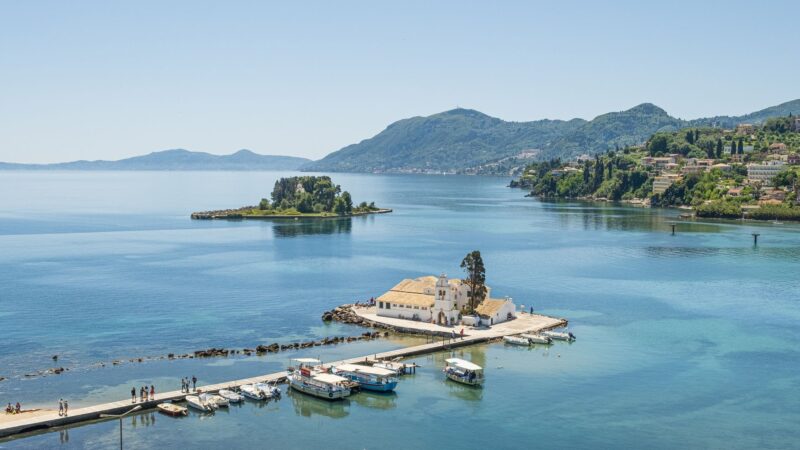
Corfu combines forested hills, calm beaches with clear water, and a UNESCO-protected Old Town shaped by centuries of Venetian rule.
Pastel facades, arcaded streets, and coastal promenades create an atmosphere that feels polished yet genuinely lived in, supported by year-round local life rather than seasonal tourism alone.
Travel planning works best when focused on activities that connect history, sea time, and nearby islands.
What to Book
Walking tours through Corfu Old Town reveal layers of influence that shaped daily life and architecture over centuries, including fortresses, narrow alleys, and public squares still used by residents.
Beach days feel relaxed and accessible at well-located stretches such as Paleokastritsa and Barbati, both known for swimmable waters and scenic backdrops.
Boat excursions add another dimension by opening access to neighboring islands known for quieter coves and open-water swimming.
Key booking options worth prioritizing include:
- Guided Old Town walking tours led by local historians
- Half-day beach visits at Paleokastritsa or Barbati
- Full-day boat trips to Paxos and Antipaxos with swim stops
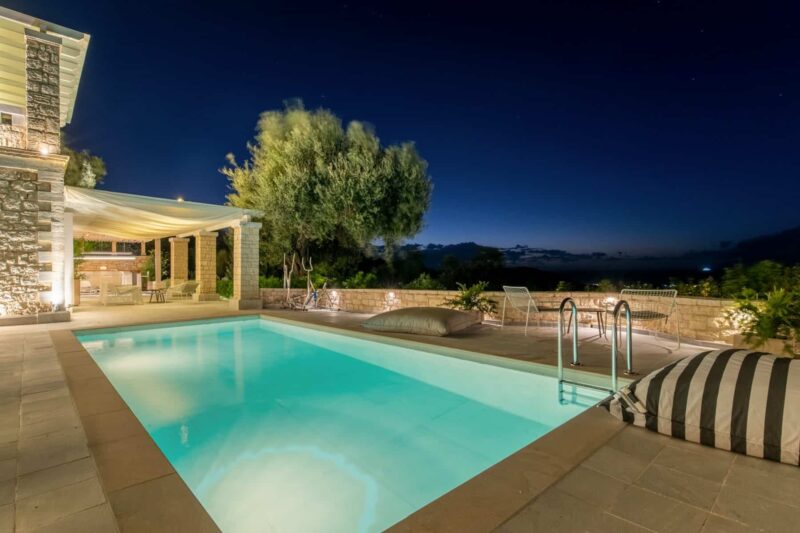
Interestingly enough, you can always, if you want a luxurious stay on the island, consider booking private villas with sea views and modern comforts await. You can find interesting options at ionianstonevillas.com.
Crowd levels remain noticeably lower than on Mykonos or Santorini, even during peak summer travel periods. Vegetation across the island creates cooler conditions and greener views than many other Greek islands, adding to overall comfort during warmer months.
Hidden Gem Factor
Popularity stays balanced rather than overwhelming, allowing visitors to enjoy coastal areas and towns without constant congestion.
Local dining feels most rewarding away from the shoreline, where everyday routines shape meals and pacing.
2. Vis, Croatia
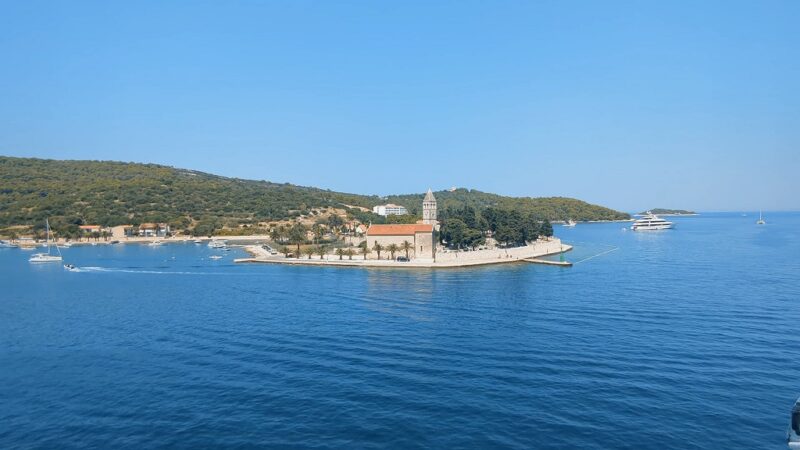
Vis lies farther into the Adriatic Sea than most Croatian islands, which helped limit development during decades of restricted access under Yugoslav rule.
Quiet harbors, stone houses, and clear water remain central to daily life, supported by fishing and small-scale agriculture.
Experiences on Vis center on water access and local production rather than nightlife or large resorts.
What to Book
Boat trips provide access to coastal areas unreachable by road, including dramatic coves and open-water swim spots.
Diving tours focus on shipwrecks that rest beneath the surface as reminders of 20th-century conflicts.
Vineyard visits introduce native wines still produced by small family operations rather than commercial estates.
Experiences that add the most value include:
- Boat trips to Stiniva Cove through its narrow sea entrance
- Guided dives to underwater shipwreck sites
- Vineyard tastings featuring Vugava and Plavac wines
Cruise itineraries rarely include Vis, which keeps daily rhythms intact and beaches quieter.
Many visitors choose longer stays built around swimming, cycling, and extended meals rather than tightly scheduled sightseeing.
Hidden Gem Factor
Slow pacing and limited mass tourism shape an atmosphere focused on rest, water time, and local interaction.
3. Procida, Italy
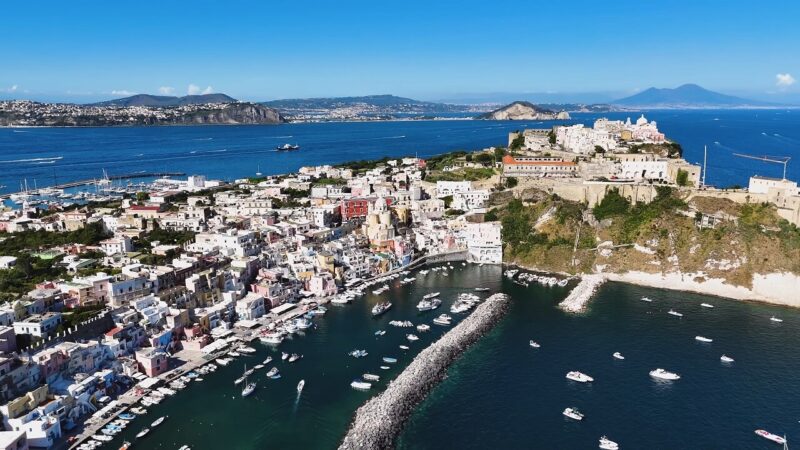
Procida gained broader recognition as Italy’s 2022 Capital of Culture, yet daily life continues to move at a modest pace.
Stacked pastel homes lining the harbor became widely recognizable through films such as The Talented Mr. Ripley, though fishing activity still defines much of the waterfront.
Stays work best when designed around overnight immersion rather than short ferry visits.
What to Book
Overnight accommodations in cliffside homes allow visitors to experience early mornings and evenings when ferries slow and locals reclaim the streets.
Walks through Marina Corricella reveal working boats, drying nets, and cafés that serve residents as much as visitors.
Seafood meals emphasize simplicity and freshness, shaped by the day’s catch rather than elaborate menus.
Dining and lodging priorities often include:
- Harbor-view guesthouses or apartments
- Evening walks through Marina Corricella
- Casual seafood meals at family-run trattorias
Life on Procida feels calmer and more affordable than nearby Capri, with romance expressed through atmosphere and routine rather than spectacle.
Hidden Gem Factor
Crowds thin significantly after day-trippers depart, leaving quiet streets and softly lit harbors.
4. Sardinia, Italy
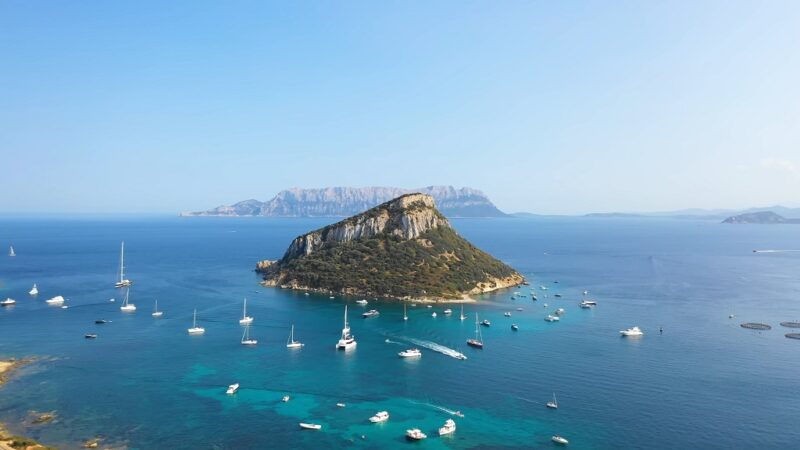
Sardinia receives less attention than Sicily or the Amalfi Coast, yet offers wide beaches, interior mountain regions, and traditions preserved through relative isolation.
Scale sets the island apart, making room for both coastal drives and inland cultural experiences.
Travel plans benefit from flexibility and a rental car to access varied regions.
What to Book
Road trips along Costa Smeralda reveal stretches of white sand and bright blue water at frequent pull-offs.
Day trips to the La Maddalena archipelago introduce protected islands known for clear swimming conditions and boat access only.
Farm-to-table meals in Barbagia connect visitors with regional cheeses, cured meats, and breads prepared using long-standing methods.
Experiences that define a Sardinia stay include:
- Self-guided coastal road trips
- Boat excursions through La Maddalena
- Rural dining experiences in Barbagia
Travelers increasingly choose Sardinia for space, variety, and coastal towns that avoid heavy congestion even during high season.
Hidden Gem Factor
Large size disperses visitors across multiple regions rather than concentrating crowds in one area.
5. Formentera, Spain
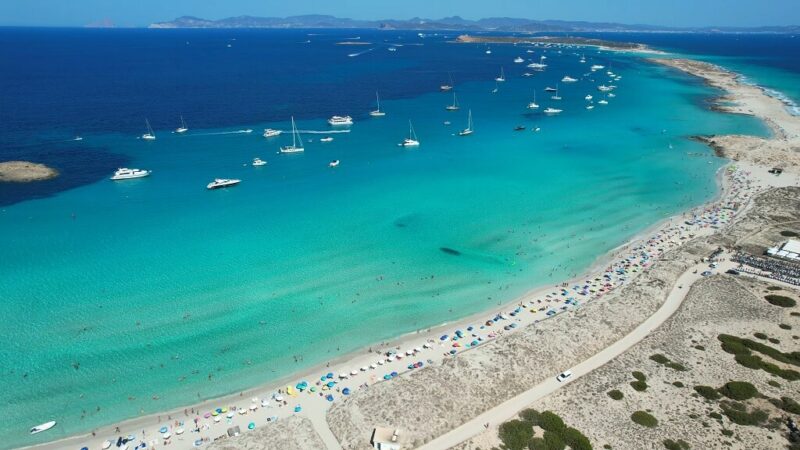
Formentera sits just south of Ibiza yet maintains a noticeably quieter tone shaped by conservation rules and a slower pace of life.
Daily routines prioritize environmental care, low-impact travel, and time spent outdoors rather than club culture or large-scale resorts.
Beaches remain open and natural, while villages retain a residential feel throughout the year.
Short distances allow visitors to move comfortably without rushing, making unstructured days part of the experience rather than a drawback.
What to Book
Biking routes link beaches, salt flats, and small villages, creating a practical way to move across the island without cars.
Visits to Es Caló and La Mola Lighthouse reward travelers with elevated sea views that feel especially calm during late afternoon hours.
Kayaking and snorkeling fit a wide range of skill levels due to shallow water and gentle conditions close to shore.
Activities that shape the experience include:
- Bicycle rentals that cover most of the island within a single day
- Coastal viewpoints near La Mola Lighthouse during golden-hour light
- Kayaking and snorkeling sessions suited for beginners and families
Reputation centers on understated comfort and uncrowded beaches, which helps keep peak season manageable compared to nearby islands.
Hidden Gem Factor
Quiet evenings, limited building heights, and minimal nightlife maintain a steady and peaceful atmosphere long after day visitors depart.
6. Bozcaada, Turkey
Bozcaada reflects centuries of Greek and Turkish influence visible across architecture, food traditions, and everyday customs.
Whitewashed houses, stone streets, and surrounding vineyards define a compact setting where walking remains the primary mode of travel.
Food and wine shape most visits, with social life often centered around shared meals and outdoor tables.
What to Book
Wine tastings introduce Kuntra red and Vasilaki white varietals produced on the island using small-scale methods.
Visits to Bozcaada Castle and historic windmills provide historical context without overwhelming schedules.
Outdoor dining in the Greek Quarter focuses on seafood, meze, and wine made nearby, often enjoyed during long, unhurried evenings.
Crowds stay modest even during summer, allowing restaurants and streets to retain a relaxed rhythm well suited for travelers focused on cuisine and conversation.
Hidden Gem Factor
Cultural mix paired with limited size keeps tourism balanced rather than excessive, preserving daily life for residents and visitors alike.
7. Milos, Greece
Milos formed through volcanic activity, creating striking coastlines and more than seventy beaches, each with distinct textures, colors, and swimming conditions.
Shorelines vary widely within short distances, encouraging variety without long travel times.
Sea access shapes much of the island experience, making boats an essential part of many itineraries.
What to Book
Boat tours reveal Kleftiko sea caves and towering rock formations accessible only by water.
Sunset views at Plaka Castle overlook the main port and nearby islands, offering a calm end to the day.
Swimming at Sarakiniko features smooth white rock shaped by wind and sea, paired with clear water ideal for floating and snorkeling.
Essential experiences often include:
- Kleftiko boat tours with multiple swim stops
- Evening visits to Plaka Castle for sunset views
- Daytime swims at Sarakiniko during calmer morning hours
Attention often shifts toward Santorini, which leaves Milos quieter and easier to move around without advance planning.
Hidden Gem Factor
Photogenic settings pair with lighter crowds and a pace that allows time for rest between activities.
8. Gozo, Malta
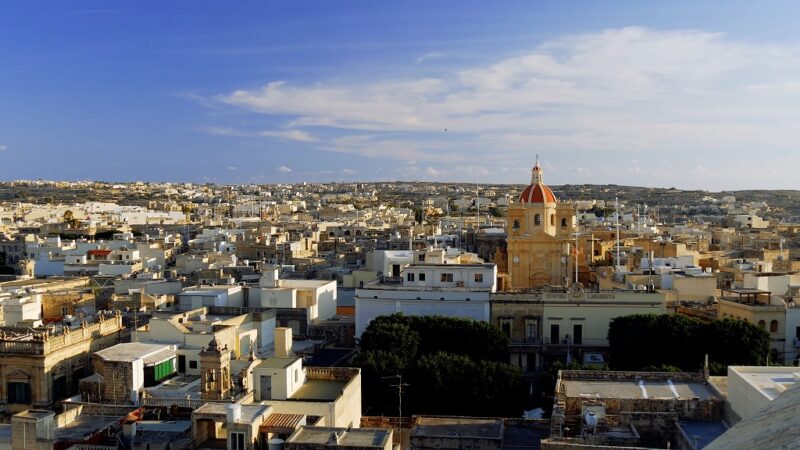
Gozo functions as Malta’s greener sister island, shaped by rugged coasts, a strong diving culture, and ancient history visible across the countryside.
Villages remain active year-round, supported by farming, fishing, and small guesthouses.
Activities balance prehistoric sites with outdoor recreation, keeping days varied without feeling rushed.
What to Book
Visits to the Ġgantija Temples reveal structures older than the Egyptian pyramids, offering insight into early human settlement.
Diving at the Blue Hole and Inland Sea attracts enthusiasts seeking clear visibility and dramatic underwater features.
Time spent in villages such as Xlendi or Nadur introduces daily routines centered on local cafés, churches, and evening gatherings.
Experiences that define Gozo include:
- Guided temple visits at Ġgantija
- Shore and boat diving sessions suited to multiple skill levels
- Village stays hosted by local families
History and underwater sites rival Malta’s main island, yet visitor numbers remain lower and daily life feels noticeably calmer.
Hidden Gem Factor
Smaller scale supports quieter travel while still offering meaningful variety across culture, history, and outdoor activities.
Summary
Mediterranean travel does not require crowded viewpoints or inflated resort prices.
Slower destinations across Greece, Italy, Spain, Turkey, Croatia, and Malta which offer coastal beauty, strong cultural identity, and memorable experiences shaped by local life.
For US travelers seeking thoughtful summer plans with space to breathe and time to connect, these eight locations provide rewarding alternatives to heavily promoted hotspots.